
A Sectional Warping Machine Maintenance Checklist That Cuts Downtime
Contents
Planning to Expand or Set Up a New Sectional Warping Section?
Rabatex team help you choose the right machine configuration and plan the setup around your production targets. Explore the full sectional warping machine range to compare models.
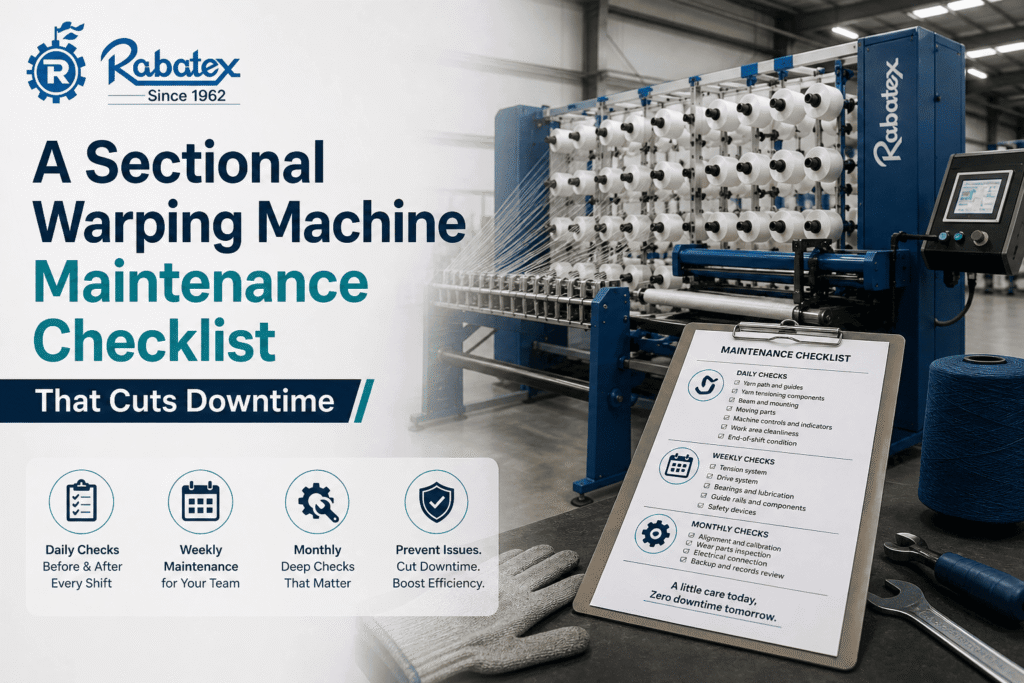
If you have worked around a sectional warping machine, you have seen this happen. The shift is going fine, and then the machine suddenly stops halfway through a section. Your operator changes the tension, but the ends keep breaking, so someone calls the fitter. After a long wait, the cause turns out to be a guide that has been wearing for weeks, and by then the sizing department is already asking where their beam is.
If you look after the warping department, you know that when one machine stops, it causes trouble in other departments too. Sizing gets late, the looms have nothing to weave, and you end up explaining why the delivery will be late. The good thing is that most of these stops give a small warning first, and anyone who walks past the machine every shift can spot it if they know what to look for.
That is what this checklist helps you with. It gives you quick checks for every shift, weekly checks for your maintenance team and deeper checks once a month, with tables you can print and a simple guide to what to check first when something goes wrong.
Your Daily Sectional Warping Machine Maintenance Checklist, Before and After Every Shift
Start here, because this is where most small problems get caught. These checks take a few minutes at the start and end of each shift, and all you need is your eyes, your ears and a habit of looking before you run.
These checks apply whether you run an Ergomatic, Supermatic – I, Supermatic or Ecomatic, because the yarn path, the tension and the beam need the same attention on every sectional warper.
| Component or area | What to check | Example of a warning sign | What to do |
|---|---|---|---|
| Yarn path and guides | Look along the yarn path for lint, dust, obstructions and surface damage | Yarn catches repeatedly at the same guide | Clean the area and report damaged guides for inspection |
| Yarn tensioning components | Check for smooth movement and visible damage | Some yarn ends look tighter than others | Inspect the tensioning arrangement and verify the settings |
| Beam and mounting | Check the beam's position and visible condition | The beam looks incorrectly seated or moves in an unusual way | Stop and follow the approved procedure to inspect the mounting |
| Moving parts | Listen for unusual noise and watch for abnormal vibration | A new rattling or grinding sound starts during operation | Find the cause before you continue if you suspect a mechanical fault |
| Machine controls and indicators | Look for warning lights, fault messages and abnormal indications | The same fault indicator keeps appearing | Record the fault and follow the troubleshooting procedure |
| Work area | Remove built-up lint and keep access areas clear | Lint collects around machine components | Clean using the approved method, with the machine safely stopped where required |
| End-of-shift condition | Note recurring issues, yarn breaks and stoppages | The same fault shows up across several shifts | Pass the details to the next shift and to the maintenance team |
Safety first
Never bypass a guard, and never clean, adjust or inspect around moving parts unless your machine’s approved procedure specifically allows that task. A few minutes saved is never worth an injury.
How this plays out on a real floor
Say your day operator on an Ergomatic notices yarn catching at the same guide on Monday morning. He cleans the lint, makes a note and hands it to the maintenance team. The guide gets inspected the same day. Without that note, the rough spot keeps cutting into yarn all week, breaks pile up, and by Thursday your night shift is rejoining ends every few minutes. This is an illustrative example, but you will probably recognise it.
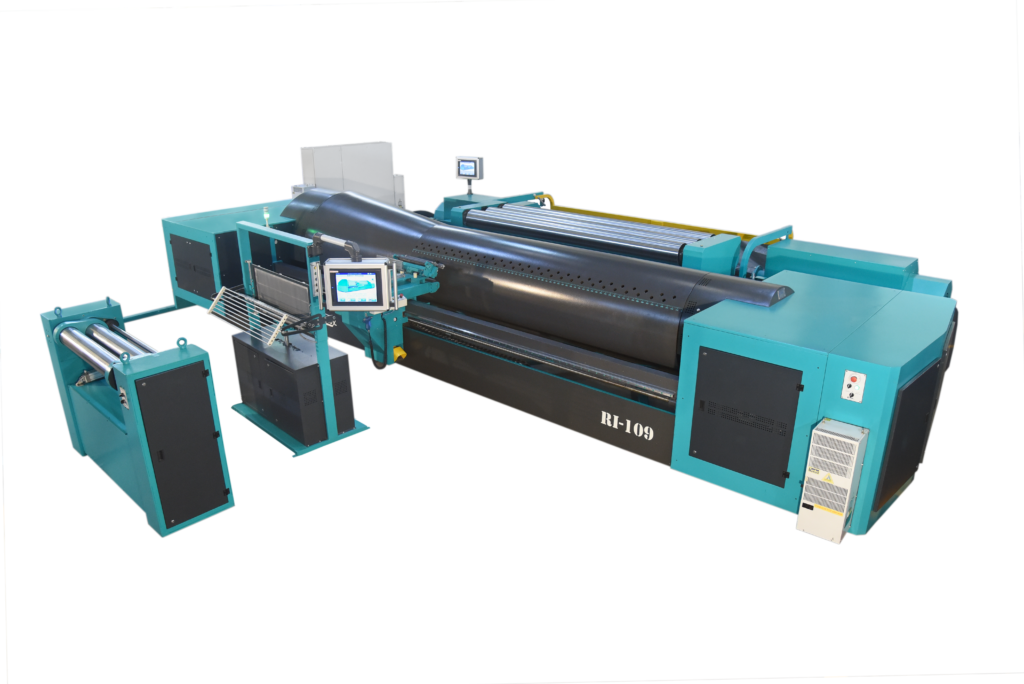
Weekly Sectional Warping Machine Maintenance Checklist for Your Maintenance Team
Weekly checks go a step beyond cleaning. You are now looking for wear, small changes in how parts behave and early signs of a developing fault. Follow the manufacturer’s schedule for the exact frequency, because a machine running three shifts needs more attention than one running a single shift.
| Component or area | What to inspect | Example of a problem | Action to consider |
|---|---|---|---|
| Yarn guides and contact surfaces | Look for grooves, rough edges, damage or residue | Yarn breaks repeatedly at one contact point | Inspect the guide and replace it if wear is confirmed |
| Tensioning mechanism | Check how the components move and how consistently they work | Yarn tension varies even though the settings have not changed | Inspect the mechanism and verify the setup |
| Drive and transmission components | Look for visible wear, looseness or unusual operating sounds | Noise increases while the machine runs | Arrange an inspection by qualified maintenance personnel |
| Bearings and lubrication points | Look for signs of wear and follow the specified lubrication requirements | Unusual heat or noise develops near a bearing | Find the cause, then lubricate or replace components only as specified |
| Beam mounting and alignment | Inspect the relevant mounting and alignment points | Beam positioning looks inconsistent | Check alignment according to the machine manual |
| Sensors and electrical connections | Check their visible condition and the fault history | A sensor-related fault keeps coming back | Have qualified personnel inspect the sensor and its connections |
| Safety devices and guards | Check the condition and operation of the approved safety features | A guard is damaged, or a safety device does not work properly | Keep the machine out of operation until the issue is fixed |
Why weekly checks matter
A worn yarn guide on a Supermatic – I is the classic example of why these checks matter. At first it causes an occasional yarn break, and your operators barely notice. Then the breaks become regular, and every one costs you a stoppage and a rejoin. If your weekly inspection spots the groove early, you replace one small part and the problem does not return. If nobody looks, you keep paying for the same fault again and again in lost production time.
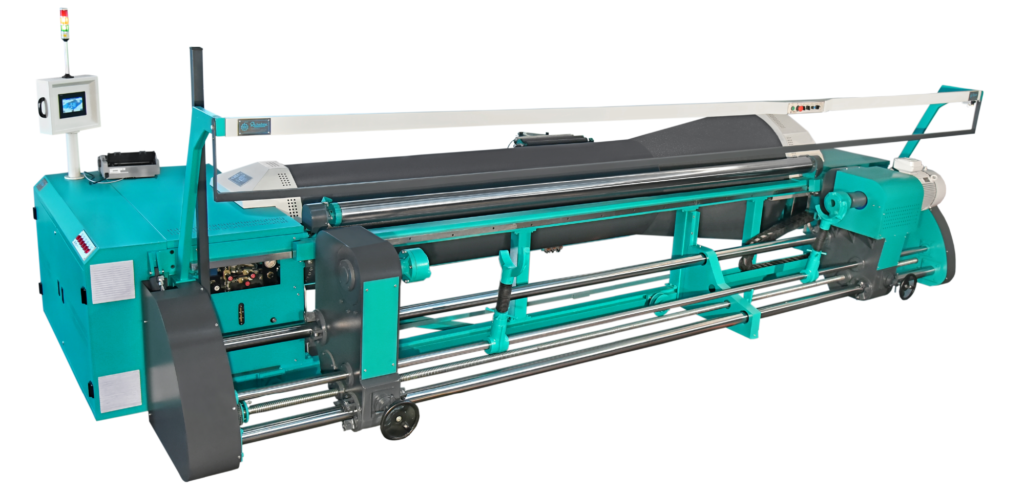
Monthly and Periodic Sectional Warping Machine Maintenance Based on Your Running Hours
The deeper checks work best when you plan them around operating hours, production intensity, the manufacturer’s recommendations and the service history of your machine. Some of these tasks need a trained maintenance technician, so schedule them in advance and keep the right people informed.
| Component or system | What to review | Why it matters |
|---|---|---|
| Drive system | Inspect the specified drive components for wear, alignment and condition | Helps you spot developing mechanical problems before they cause a stoppage |
| Bearings and lubrication system | Review your lubrication practice, component condition and any recurring heat or noise | Helps you avoid damage from wrong lubrication or worn components |
| Tension control | Verify the condition and operation of the tensioning components and compare the settings with your required production setup | Helps you hold consistent yarn tension |
| Electrical and control systems | Review recurring alarms, sensor performance and control-related faults | Helps you find faults that are hard to catch during routine checks |
| Beam handling and mounting | Inspect the relevant components for wear and correct operation | Supports safe and consistent beam positioning |
| Maintenance history | Go through breakdown records, replaced parts and repeated service requests | Helps you see recurring faults and plan preventive maintenance |
Component quality
Most of the checks in this table, like the drive, bearings, sensors and electricals, depend on the quality of the parts fitted in the machine to begin with. Rabatex builds its machines with technology components from Japanese and European brands, chosen for a good working life and steady performance and efficiency. For your maintenance team, that means more time spent on planned checks and less time on emergency repairs.
Yarn Breaks, Uneven Tension and Other Common Warping Problems, and What to Check First
On the floor, you usually see the symptom before you know the cause. Use this table to connect what you see with the checks that can point you towards the reason.
| Production problem | What to check first | Possible next step |
|---|---|---|
| Frequent yarn breaks | Yarn path, guide surfaces, tensioning components and operating settings | Correct the cause you find and watch whether the breaks come back |
| Uneven yarn tension | Tensioning mechanism, yarn path and setup settings | Verify the setup and inspect the components for wear |
| Irregular beam formation | Beam alignment, yarn tension and machine settings | Review the setup against the beam specifications you need |
| Unusual noise or vibration | Relevant moving parts, bearings and drive components | Arrange a qualified inspection before you keep running if you suspect a fault |
| Repeated machine stoppages | Fault indicators, operating conditions and maintenance records | Work out whether the issue is mechanical, electrical or related to the production setup |
| The same fault returns after maintenance | Previous repair records, replaced parts and the original cause of failure | Look for the underlying cause instead of correcting the symptom again |
A fault you may have seen
Here is a fault you may have seen on an Ecomatic or any other sectional warper. Yarn breaks continue even after your operators adjust the tension. The real cause may be a damaged guide or another part of the yarn path. If your team keeps changing settings without inspecting the parts, a one-hour fix can turn into a long troubleshooting exercise that disrupts the whole shift plan.
Keep in mind that these are possible causes and not final diagnoses. The right response depends on your machine configuration, the yarn you run and your operating conditions.
How to Turn Your Sectional Warping Machine Maintenance Checklist into a Daily Habit
A checklist only helps when your team uses it every day. Here is how you can make that happen.
Give every task an owner. Your operators handle the approved routine checks. Your qualified maintenance personnel handle technical inspections and repairs. When everyone knows their part, nothing gets skipped because someone assumed it was another person’s job.
Record every recurring fault. Note the component, the symptoms, the production conditions and what you did about it. A fault that appears three times in a month tells you something a single entry never will.
Track where your downtime comes from. Separate yarn-related interruptions from mechanical, electrical and setup-related problems. Once you see which group is largest, you know where your maintenance time pays off most.
Plan component replacement. Use inspection findings, service history and the manufacturer’s recommendations to decide when to replace a part, instead of waiting for it to fail in the middle of a beam.
Review the checklist regularly. Update it when new recurring faults appear, when your production setup changes or when the manufacturer recommends a revised procedure.
How the Right Sectional Warping Machine and Service Support Help Reduce Downtime
Preventive maintenance is one part of reliable production. The quality of the components, correct installation, a machine configuration that suits your work, operators who understand the machine and access to good service support all play their part too. None of them can promise zero downtime, but together they make stoppages shorter and less frequent.
If you are evaluating sectional warping equipment, the Rabatex Supermatic sectional warping machine is a good machine to look at. Rabatex uses technology parts from Japanese and European brands and works with global suppliers, so the parts that decide how your machine performs come from names you can check. Those parts give you a long life and steady efficiency, and the service support from the Rabatex team stays available after installation. Corporates across India run Rabatex machines, and the company is export-ready for mills outside India as well.
What sets Rabatex apart is how it works with you. Rabatex is a customer-centric company that takes the time to explain what output a machine can deliver and whether it suits your production needs before you commit. Think of it as a solution provider that wants your warping department to run well, not only a machine seller.
FAQs on Sectional Warping Machine Maintenance
How often should you service a sectional warping machine?
Follow the manufacturer’s maintenance schedule for your model. As a general pattern, operators run daily checks every shift, your maintenance team does weekly inspections, and a trained technician handles the deeper monthly or periodic work based on running hours and production intensity.
What are the most common causes of warping machine breakdowns?
Worn guides, incorrect tension settings, yarn path obstructions, lubrication problems, wear in drive components, and recurring sensor or electrical faults are all common causes. Most of them give early warnings that regular checks can catch.
How do you reduce yarn breaks on a sectional warper?
Start with the yarn path, guide surfaces and tensioning components, since damage or buildup there is a frequent cause. Then verify your operating settings, and keep a record so you can see whether breaks cluster around one point.
Which parts of a warping machine need the closest attention?
Yarn guides, tensioning components, bearings, drive parts, sensors and safety devices deserve regular inspection, because wear in any of them can interrupt production.
When should you call the manufacturer for support?
Call when a fault keeps returning after maintenance, when you suspect a drive, electrical or control problem, or when the repair needs qualified personnel. Repeating the same fix without finding the underlying cause usually costs more in the end.
About the Rabatex Process Engineering Team
The Process Engineering Team at Rabatex designs, builds and commissions warping machines, creels and vertical lift modules for textile mills and industrial warehouses. Based in Ahmedabad, the team brings the experience of a manufacturer that has been building machinery since 1962.
Related Posts
What Is a Vertical Lift Module? A Complete Guide to VLM Storage Systems
Walk into almost any textile manufacturing facility, and you’ll notice

How to Choose the Right Sectional Warping Machine for Your Textile Mill
“The loom has stopped again.” No production manager wants to

How Apparel Manufacturers Speed Up Fabric Development with Sample Warping Machines
“Can we see two more fabric options before we finalize