
“Can we see two more fabric options before we finalize this design?”
If you work in textile R&D, fabric development, or a sampling department, you’ve probably heard this more times than you can count.
One sample becomes three. Three become six. Before you know it, your team is preparing new warp plans, changing yarn colours, adjusting weave structures, and racing to meet another approval deadline.
The challenge isn’t coming up with new ideas. It’s turning those ideas into woven fabric samples quickly enough for buyers to make a decision.
This is one reason why shorter development cycles have become so important. As the textile and apparel industry becomes more fashion-driven, manufacturers are under increasing pressure to create accurate fabric samples in the shortest possible time.
That’s where a Sample Warping Machine makes a real difference.
Instead of occupying a production warping machine to prepare a small sample, you can create only the warp you need with better accuracy, less yarn waste, and far less preparation time. Your production continues as planned while your sampling team develops multiple fabric options without disrupting the factory schedule.
In this guide, you’ll learn how a Sample Warping Machine helps speed up fabric development, why it has become an essential tool for modern textile manufacturers, and how it fits into a complete sampling workflow from yarn preparation to woven fabric approval.
How Sample Warping Machines Speed Up Fabric Development
- By Preparing Warp Samples Faster
Your design team has just finished developing a new fabric concept.
The customer likes the idea but wants to see the actual fabric before making a decision. That means your team needs to prepare a warp, weave the sample, review it, make changes if needed, and repeat the process until everyone is happy.
Now imagine waiting for a production warping machine to become available every time you need a new sample.
That’s where valuable time is lost.
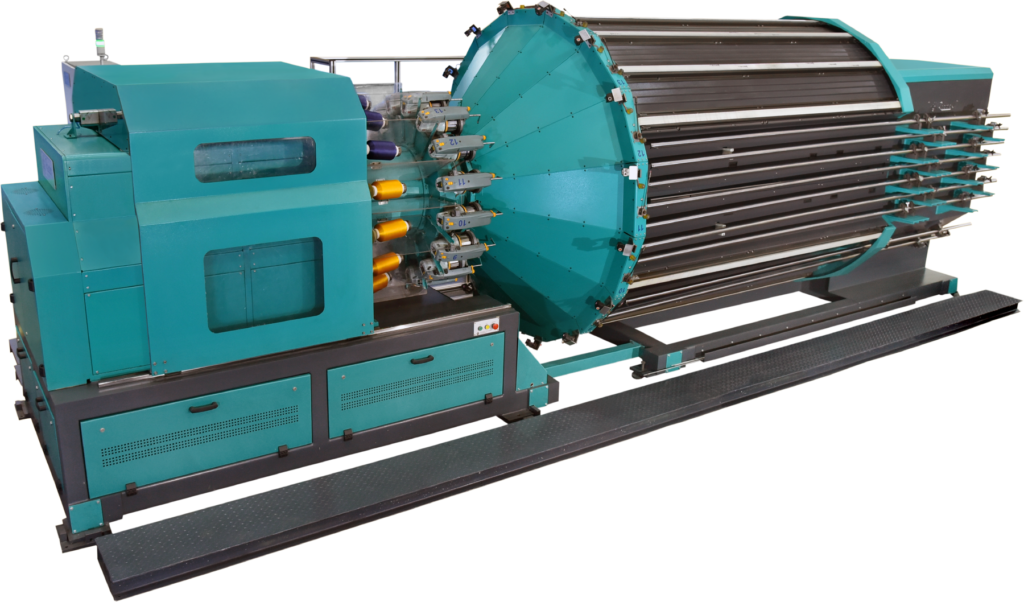
A Sample Warping Machine, such as the Rabatex RI 6001, lets you prepare only the length needed for sampling instead of setting up a full production warp.
Designed specifically for fabric development, it helps you prepare accurate sample warps with consistent yarn tension so the sample reaches the weaving stage much sooner. Your team can review, modify, and approve designs without holding up the rest of the factory.
For your development team, that means:
- Faster sample preparation
- Quicker design validation
- Better use of production machines
- Shorter development cycles
Example
Suppose you’re developing a new yarn-dyed shirting collection.
The customer wants to evaluate the fabric before placing a bulk order. Instead of preparing a 500-metre production warp, your team uses the Rabatex RI 6001 Sample Warping Machine to prepare only the sample length required for weaving. Within a much shorter time, the sample is ready for review, feedback, and the next round of development.
- By Enabling Faster Design Iterations
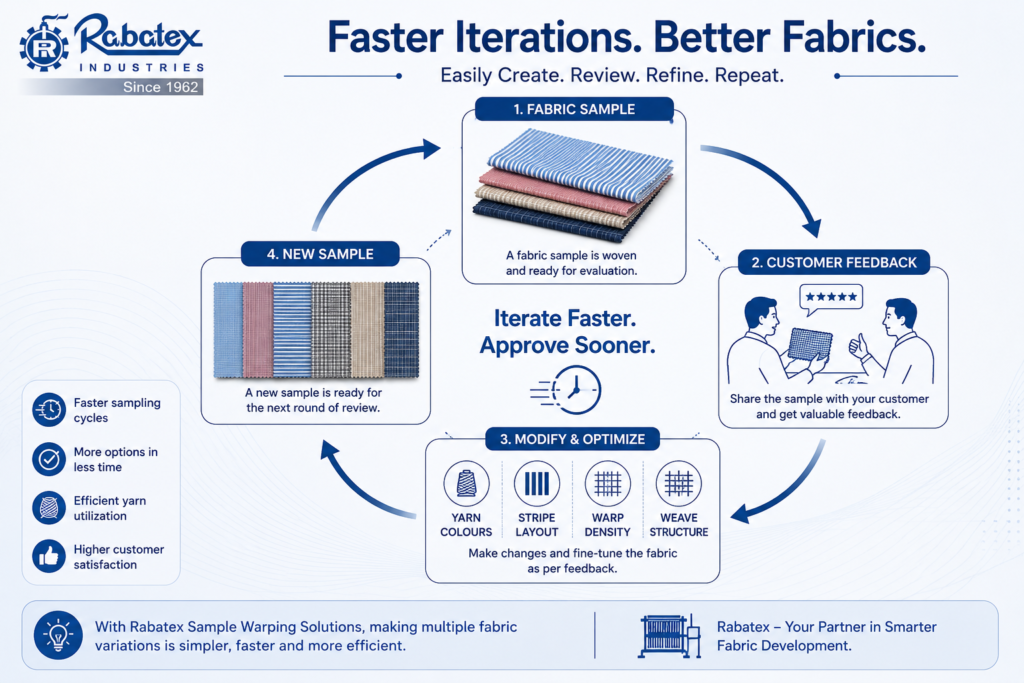
You’ve shared the first sample with the customer, and the feedback comes back almost immediately.
“Can we see this in a different colour?”
“Let’s try a slightly denser construction.”
“Can you prepare one more option with a different stripe layout?”
If every small change means repeating a lengthy warp preparation process, developing new samples quickly becomes difficult. Before you know it, days have gone by just preparing different versions of the same fabric.
A Sample Warping Machine makes these changes much easier because you’re preparing only the sample you need, not an entire production warp. That gives your design and development teams the freedom to experiment without slowing the entire workflow.
With faster sample preparation, you can:
- Test multiple design ideas in less time
- Compare different yarn colours and constructions together
- Share more options with buyers during a single review
- Reach the final fabric approval sooner
Example
Imagine you’re developing a new shirting collection. The buyer wants to compare four different stripe layouts before making a decision. Instead of waiting several days between each version, your team prepares all four samples in a much shorter time, making it easier for the buyer to review and approve the preferred design.
- By Reducing Yarn Waste During Product Development
Developing a new fabric always comes with a bit of uncertainty.
You don’t know which design the customer will approve. Sometimes the very first sample is accepted. Other times, you might go through several versions before reaching the final one.
Imagine using large quantities of premium yarn for every trial.
That’s an expensive way to develop fabrics.
A Sample Warping Machine helps you prepare only the amount of warp needed for sampling. Instead of consuming production quantities of yarn, you use just enough to create and evaluate the fabric.
This becomes even more valuable when you’re working with:
- Organic yarns
- Specialty fibres
- Imported yarns
- Premium blends
Since you’re using less material, your team can confidently explore more ideas without worrying about unnecessary yarn consumption.
Example
Suppose you’re testing a premium linen-cotton blend for a new summer collection. Rather than using a large quantity of this expensive yarn, you prepare only the sample required for weaving. You validate the fabric first and move to bulk production only after the customer gives approval.
- By Improving Warp Preparation Accuracy
A fabric sample isn’t just meant to look good. It also needs to represent what the final production fabric will actually look like.
If the sample itself has uneven tension or poor yarn arrangement, the customer isn’t seeing the true design. They’re seeing defects created during warp preparation.
That’s why accuracy matters just as much as speed.
A Sample Warping Machine helps prepare warp samples with:
- Consistent yarn tension
- Correct yarn sequence
- Uniform winding
- Better warp alignment
The result is a sample that reflects the actual fabric you intend to produce.
That means fewer sampling errors and less time spent remaking fabrics that should have been right the first time.
Example
Imagine you’re presenting a new upholstery fabric to a customer. Because of uneven warp tension, the woven sample develops slight distortions that weren’t part of the original design. The customer asks for another sample, even though the fabric concept was perfectly fine. Accurate warp preparation helps avoid situations like this.
- By Helping Teams Develop More Fabric Variations in Less Time
Today’s buyers rarely ask to see just one fabric option.
They want choices.
One customer may ask for the same construction in three different colours. Another might want to compare two yarn counts before placing an order. Some buyers even request multiple weave structures for the same fabric concept.
Handling all these requests can quickly become overwhelming if sample preparation takes too long.
A Sample Warping Machine makes it easier for your team to develop and compare multiple fabric variations within the same development cycle.
You can prepare samples for:
- Different colourways
- Different yarn counts
- Various weave structures
- Different fabric constructions
without affecting your production schedule.
Example
A textile R&D centre is developing a new collection for a home textile brand. Instead of presenting only one fabric, the team prepares plain, twill, satin, and dobby samples within a few days. The customer compares every option together and finalizes the design much sooner.
- By Keeping Production Machines Available for Bulk Manufacturing
Your production team has a schedule to follow. Orders are lined up, delivery dates are fixed, and every hour on the production floor matters.
Now imagine stopping a production warping machine just to prepare a small sample.
It may seem like a short interruption, but when it happens repeatedly, it affects machine utilization and slows down production planning.
A dedicated Sample Warping Machine keeps these two activities separate. Your sampling team can continue developing new fabrics while production machines stay focused on bulk manufacturing.
That means you can:
- Continue production without interruptions
- Improve machine utilization
- Handle urgent sampling requests separately
- Keep customer deliveries on schedule
Example
A weaving mill receives an urgent request to develop a new curtain fabric for a customer. Instead of stopping the production warping machine, the sampling team prepares the sample on a dedicated Sample Warping Machine while production continues as planned.
- By Accelerating Customer Approvals
Every buyer wants to see the fabric before giving the green light for production. The sooner you can share an accurate sample, the sooner you receive feedback and move to the next stage.
When sample preparation takes longer than expected, approvals are delayed. That affects production planning, delivery schedules, and sometimes even the product launch itself.
A Sample Warping Machine helps you prepare warp samples faster, allowing your team to weave and share fabric samples without unnecessary waiting. This keeps the approval process moving and helps projects stay on schedule.
With faster sampling, you can:
- Share samples with customers sooner
- Receive feedback more quickly
- Finalize fabric designs faster
- Plan production with greater confidence
Example
A fashion brand is finalizing fabrics for its upcoming seasonal collection. Because your team delivers the woven samples quickly, the buyer reviews and approves the fabric earlier, giving your production team enough time to plan bulk manufacturing without last-minute pressure.
- By Supporting Faster Innovation Across Textile Teams
Customer preferences keep changing. One season, buyers ask for sustainable fabrics. The next, they’re looking for new textures, different yarn blends, or innovative weave structures. Keeping up with these requests means your team needs the freedom to experiment without slowing down regular production.
A Sample Warping Machine gives your R&D and fabric development teams that flexibility. Since you’re preparing only the sample warp, it’s easier to test new ideas, compare different options, and refine fabrics before moving to bulk production.
Your team can confidently explore:
- Sustainable yarns
- Recycled fibres
- Technical textiles
- New weave structures
- Functional fabrics
Example
Your R&D team is developing a new range of performance fabrics for industrial workwear. Instead of testing one concept at a time, you prepare multiple sample warps with different yarn blends and weave structures. This allows the customer to evaluate all the options together and helps your team identify the best-performing fabric much faster.
The 4-Step Fabric Sampling Workflow That Speeds Up Fabric Development
Developing a fabric sample isn’t just about preparing a warp. It involves a series of connected steps, and each one plays an important role in producing an accurate sample. When every stage works together, your team can move from a design concept to customer approval much faster.
Let’s walk through the complete workflow.
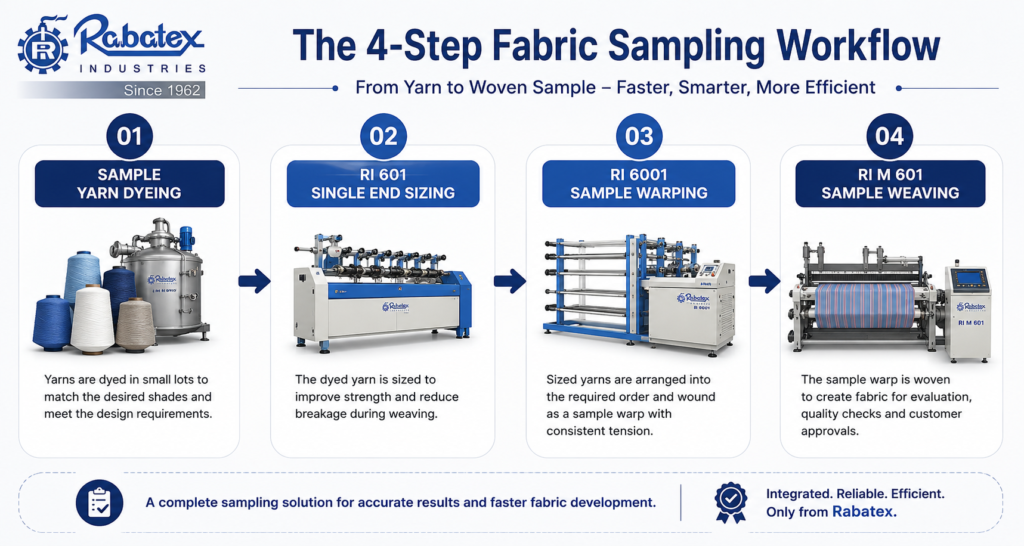
Step 1: Dye the Sample Yarn
The process begins with dyeing the yarn in the colours required for the fabric sample.
Since you’re developing a sample and not a production batch, only a small quantity of yarn needs to be dyed. This helps reduce material consumption while giving your team the flexibility to test multiple colour combinations before finalizing the design.
Once the yarn is ready, it moves to the next stage.
Step 2: Prepare the Yarn for Weaving
Once the yarn is dyed, it needs to be prepared for weaving.
This is where the Rabatex RI 601 Single End Sizing Machine comes into the process. It applies sizing to individual yarns, improving their strength and reducing breakage during weaving. Well-prepared yarn moves more smoothly through the next stages, helping your team produce accurate fabric samples with fewer interruptions.
With the yarn properly sized, it’s ready for warp preparation.
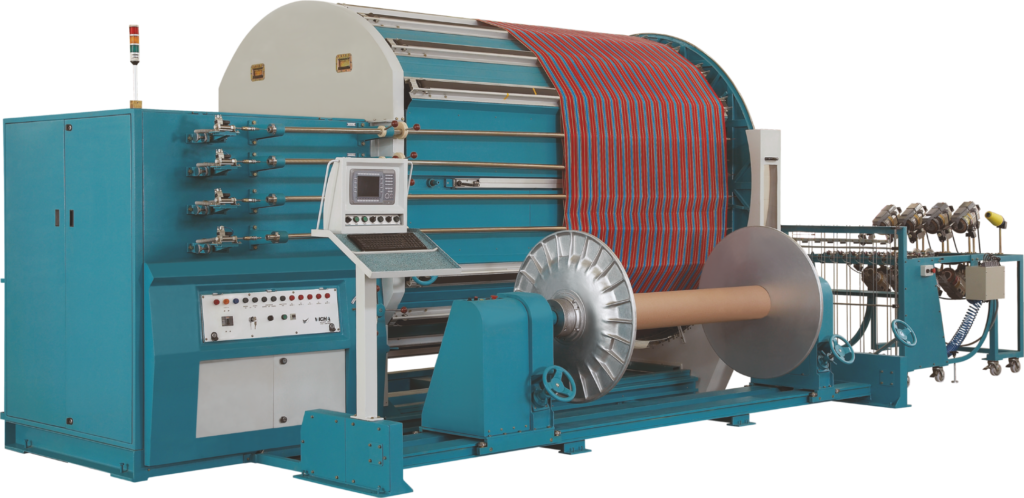
Step 3: Prepare the Sample Warp
The sized yarn is then transferred to the Sample Warping Machine.
Here, the yarns are arranged in the required sequence and wound with consistent tension to create an accurate sample warp. Since only the required sample length is prepared, this stage takes much less time than production warping while maintaining the precision needed for reliable fabric evaluation.
The prepared warp is now ready for weaving.
Step 4: Weave and Evaluate the Fabric Sample
Once the sample warp is ready, it’s time to see the fabric come to life.
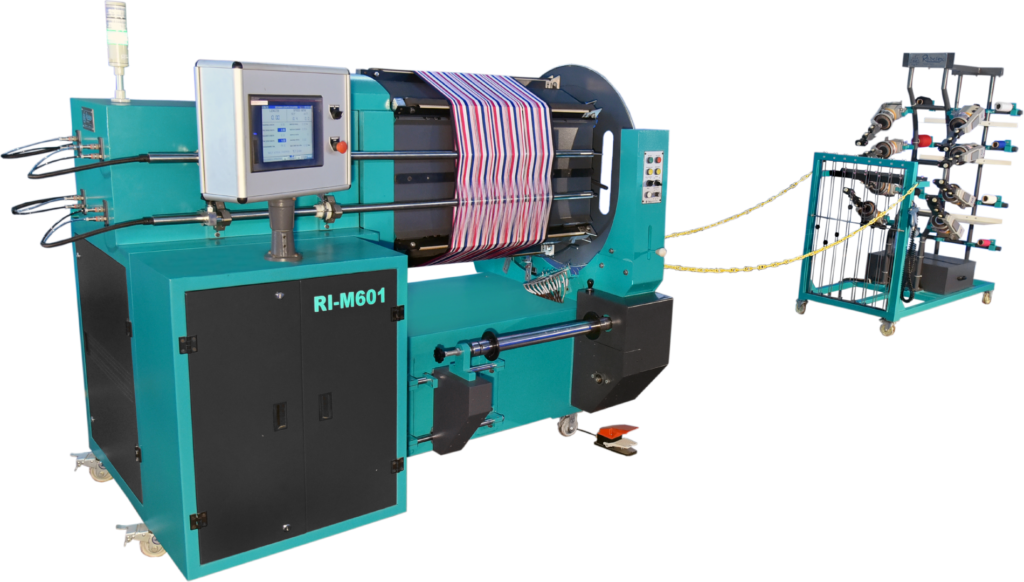
The prepared warp is woven into a fabric sample using a Sample Weaving Machine, such as the Rabatex RI M 601. This allows your team to evaluate the fabric’s colour, weave structure, texture, and overall appearance before approving it for bulk production.
If changes are required, they can be made during the sampling stage, helping you refine the fabric before moving to large-scale manufacturing.
When Should Apparel Manufacturers Invest in a Sample Warping Machine?
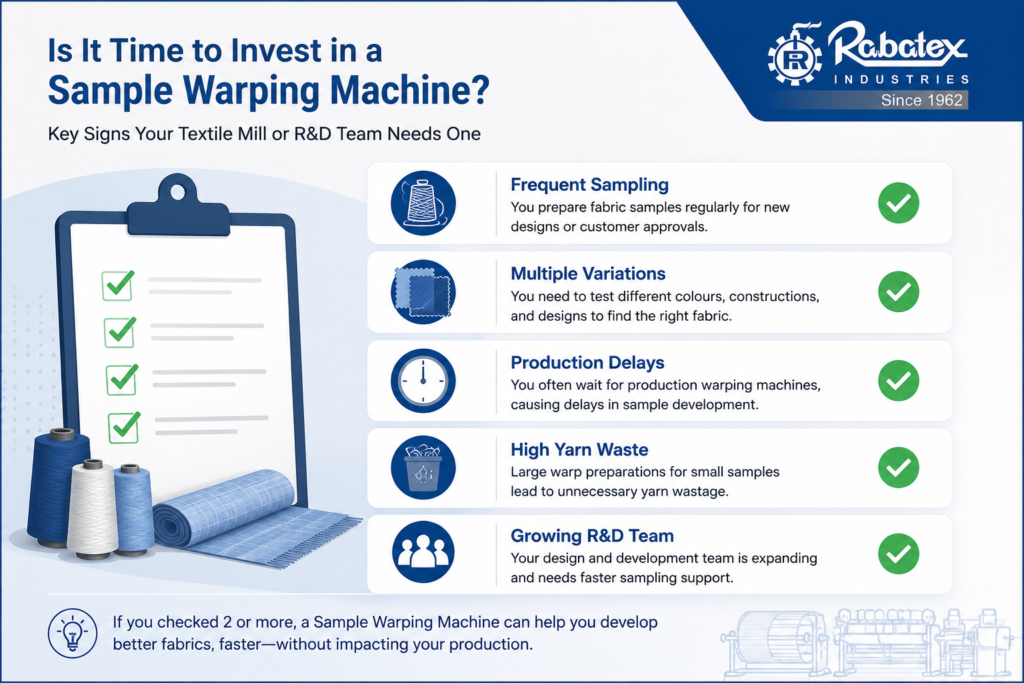
Not every textile manufacturer needs a dedicated Sample Warping Machine from day one. But as your business grows, so do customer expectations. More sample requests, shorter development timelines, and frequent design changes can quickly make sampling a challenge.
If any of the situations below sound familiar, it may be time to consider investing in a dedicated Sample Warping Machine.
- You Frequently Develop New Fabrics
If your business regularly develops new collections or custom fabrics, sampling becomes an everyday activity rather than an occasional task.
Using a production warping machine for every sample can slow down both development and manufacturing. A dedicated Sample Warping Machine helps your team prepare samples faster, allowing designers and customers to review fabrics sooner while keeping production on schedule.
- Customers Request Multiple Sample Variations
Customer approvals rarely happen after seeing just one sample.
It’s common to receive requests for different colours, yarn combinations, weave structures, or fabric constructions before the final design is approved. Preparing each variation on a production machine takes time and often delays the entire development process.
A Sample Warping Machine makes it easier to develop multiple fabric variations quickly, helping your customers compare options and make decisions faster.
- Sampling Is Delaying Production
Does your production team have to pause regular work every time a new sample needs to be prepared?
If the answer is yes, your production equipment is doing two different jobs. Over time, this affects machine utilization, production planning, and delivery schedules.
By shifting sample preparation to a dedicated Sample Warping Machine, your production machines remain focused on bulk manufacturing while your sampling team continues developing new fabrics independently.
- You Want to Reduce Sampling Costs
Sampling is an essential part of fabric development, but it shouldn’t lead to unnecessary material consumption.
Preparing only the required sample length helps reduce yarn usage, especially when working with premium fibres or specialty yarns. Lower material consumption also means lower sampling costs, making it easier to experiment with new fabric ideas without increasing development expenses.
- Your Textile R&D Team Is Expanding
As your R&D and sampling teams take on more development projects, the demand for faster sample preparation naturally increases.
A dedicated Sample Warping Machine gives your team the flexibility to work on multiple developments simultaneously without waiting for production equipment to become available. This improves productivity and allows new ideas to move from concept to fabric sample much more efficiently.
Speed Up Fabric Development with Rabatex Sample Warping Machines
In fabric development, every day matters. The faster you can prepare, review, and refine fabric samples, the sooner you can respond to customer feedback and move confidently into production.
A Sample Warping Machine helps you make that happen by reducing sampling time, improving warp preparation accuracy, minimizing yarn waste, and allowing your team to develop more fabric variations without interrupting bulk manufacturing.
When combined with the RI 601 Single End Sizing Machine, RI 6001 Sample Warping Machine, and RI M 601 Sample Weaving Machine, it becomes part of a complete sampling workflow that supports faster and more efficient fabric development.
With over 60 years of engineering expertise, Rabatex manufactures its textile machinery in-house with a strong focus on quality, precision, and long-term reliability. Today, 43% of our business comes from repeat customers, reflecting the trust we’ve built by delivering dependable solutions and responsive support to textile manufacturers.
Build a Faster and More Efficient Fabric Sampling Process
The right sampling solution can help you reduce development time while maintaining the quality your customers expect. Connect with our experts to find the best Rabatex solution for your fabric development requirements.
FAQs
1. What is a Sample Warping Machine used for?
A Sample Warping Machine is used to prepare accurate warp samples for fabric development before bulk production begins. It helps textile manufacturers create small warp lengths with consistent tension, making it easier to develop, test, and evaluate new fabric designs without using production warping machines.
2. How does a Sample Warping Machine reduce fabric development time?
A Sample Warping Machine prepares only the warp length required for sampling instead of a full production warp. This allows design and development teams to create fabric samples faster, make design changes more efficiently, and complete customer approvals in less time.
3. What is the difference between sample warping and production warping?
Sample warping is designed for preparing short warp lengths used during fabric development and testing. Production warping prepares large warp beams for bulk manufacturing. A Sample Warping Machine focuses on flexibility and quick setup, while production warping machines are built for continuous, high-volume production.
4. Why is warp preparation important in fabric sampling?
Warp preparation plays a key role in producing reliable fabric samples. Consistent yarn tension, proper yarn arrangement, and accurate winding help ensure the woven sample reflects the intended fabric design. Poor warp preparation can lead to defects that affect customer evaluations and delay approvals.
5. How does a Sample Warping Machine work with a Sample Weaving Machine?
A Sample Warping Machine prepares the warp with the required yarn sequence and tension. The prepared warp is then transferred to a Sample Weaving Machine, where it is woven into a fabric sample for design evaluation, customer review, and approval before moving to production.
6. What role does a Single End Sizing Machine play in fabric development?
A Single End Sizing Machine applies sizing to individual yarns before warping, improving yarn strength and reducing breakage during weaving. When combined with a Sample Warping Machine and Sample Weaving Machine, it helps create a smooth and efficient fabric sampling process.
7. Can Sample Warping Machines handle different yarn types and fabric constructions?
Yes. Sample Warping Machines are designed to work with a wide range of yarn types and fabric constructions. They can be used to develop samples for cotton, blended, and specialty yarns, making them suitable for apparel fabrics, home textiles, technical textiles, and industrial fabrics.
8. Which textile businesses benefit the most from a Sample Warping Machine?
Sample Warping Machines are ideal for textile R&D centres, sampling departments, design studios, weaving mills, and fabric development teams that regularly create new fabric samples. They are especially valuable for manufacturers developing multiple fabric variations or working on frequent customer sampling projects.
9. How can an integrated sampling solution improve textile R&D efficiency?
An integrated sampling solution combines Sample Yarn Dyeing, Single End Sizing, Sample Warping, and Sample Weaving Machines into a streamlined workflow. This helps textile manufacturers reduce development time, improve sample accuracy, minimize yarn waste, and accelerate customer approvals.
10. Why choose Rabatex for textile sampling solutions?
Rabatex offers integrated textile sampling solutions designed to simplify every stage of fabric development. From yarn preparation to sample weaving, our machines work together to help textile manufacturers reduce development time, improve sample quality, and respond faster to changing customer requirements.